Crypto Wallet 2026: Features, Safety And Smarter Access
A crypto wallet 2026 should be evaluated on more than design or ease of access. Digital-asset users increasingly expect simple portfolio visibility, clear transaction records and strong account controls alongside convenient market access. Someone involved in crypto trading may use a wallet differently from a long-term holder, so the right setup depends on how frequently assets are bought, sold, transferred or monitored.
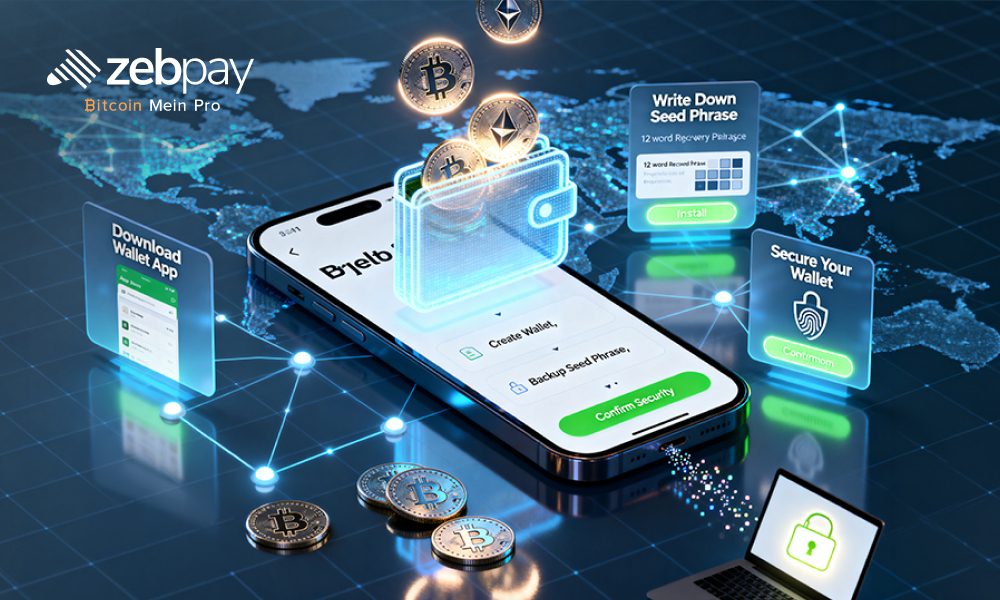
The core purpose remains straightforward: users need a practical way to manage access to their digital assets. What changes over time is the level of convenience, security awareness and portfolio organisation expected from that experience.
For users comparing wallet options in 2026, the focus should be on whether the wallet supports responsible asset management rather than simply offering the largest number of features.
What Should A Crypto Wallet 2026 Experience Feel Like?
A modern crypto wallet should reduce unnecessary complexity.
Users should be able to understand their holdings and transaction activity without needing technical expertise for routine actions.
A practical wallet experience should make it easy to identify the asset being managed, the value of holdings, recent transactions and any important account-related information.
Clarity matters because crypto transactions can involve real financial consequences. A confusing interface can increase the chance of selecting the wrong asset, amount or destination.
Security Should Be Built Into Everyday Usage
Security works best when it is part of normal wallet activity rather than a separate process users remember only when something goes wrong.
A secure routine can include:
- Strong and unique login credentials
- Protected authentication details
- Regular account review
- Device-level security
- Careful verification of transfer information
- Avoidance of unknown links and unofficial applications
Users should also remain cautious of anyone asking for passwords, authentication codes or sensitive recovery information.
No legitimate investment opportunity should require giving another person control of the wallet.
Portfolio Visibility Is Becoming More Important
As users hold more than one digital asset, portfolio organisation becomes increasingly useful.
A wallet should help answer basic questions quickly.
How much crypto is currently held?
Which assets make up most of the portfolio?
Has one asset become much larger than originally planned?
Has the overall value changed significantly?
Portfolio visibility can help users identify concentration risk before it becomes excessive.
A Wallet Should Match The User’s Activity
There is no single wallet structure that fits everyone.
An active market participant may care about quick access and frequent transaction visibility.
A longer-term holder may care more about security, organisation and reducing unnecessary activity.
A beginner may prioritise simplicity.
The right wallet should therefore fit the actual behaviour of the user rather than provide features that are rarely understood or used.
This is why “more features” should not automatically be interpreted as “better wallet.”
What To Review Before Using A New Wallet
Before moving meaningful amounts of crypto, users should understand how the wallet operates.
A practical review can focus on whether asset support matches current holdings, how transactions are confirmed, how access is protected and how transaction records are displayed.
It is also useful to understand what happens if the user changes devices or temporarily loses access.
Important processes should be understood before they are urgently needed.
Asset Support Can Shape The Wallet Experience
Different wallets may support different digital assets.
Users should check compatibility before assuming a cryptocurrency can be managed through a particular service.
This is especially relevant for people holding several assets.
Moving between multiple services simply because one wallet does not support a required asset can create unnecessary complexity.
Users should therefore choose based on the assets they genuinely need rather than the largest possible list of supported cryptocurrencies.
Transfer Clarity Should Be A Priority
Crypto transfers require careful review.
Before confirming a transaction, users should verify the destination, cryptocurrency and amount.
A clear wallet interface should make this information easy to inspect.
The transaction should never feel like something that needs to be rushed.
If a user feels pressured to send crypto immediately because of a message, investment offer or supposed security warning, the request deserves additional verification.
Small Errors Can Have Large Consequences
A crypto transaction may not always offer the same type of reversal process users expect from traditional payment methods.
That makes accuracy particularly important.
Copying incorrect destination information or selecting the wrong asset can create serious problems.
Users should slow down before important transfers.
For unfamiliar workflows, a smaller initial transaction may sometimes help confirm that the process works as expected before a larger amount is moved.
Security Threats Are Often Designed Around Human Behaviour
A wallet can have strong technical protections while users remain vulnerable to manipulation.
Scammers may create urgency, impersonate support teams or present fake account warnings.
The objective is often to persuade the user to act before verifying the situation.
Common pressure tactics may involve claims that funds are at immediate risk, that an account must be verified urgently or that assets need to be transferred for protection.
The safest response is to verify through official channels independently.
Convenience Should Not Encourage Constant Transactions
A wallet that makes asset management easy can also make unnecessary transactions tempting.
Users may repeatedly switch between cryptocurrencies because market prices are always visible.
This can increase costs and encourage emotional decisions.
A long-term holder does not necessarily need to react whenever one asset rises more quickly than another.
The wallet should support the strategy rather than determine it.
Market Volatility Still Exists Outside Trading Screens
Moving crypto into a wallet does not remove price risk.
The market value of the assets can continue changing significantly.
This distinction is important because users sometimes associate “storage” with “safety.”
A wallet can help protect access and organise assets, but it cannot guarantee their future value.
Portfolio risk and wallet security need separate management.
Review Concentration As Prices Change
Portfolio concentration can change without the user making additional purchases.
Suppose one cryptocurrency rises significantly while others remain relatively stable. That asset can gradually become the majority of the portfolio.
This can increase exposure to a single market outcome.
Periodic allocation review can help users decide whether the portfolio still reflects their intended level of risk.
A strong performer can still create concentration risk.
Keep Crypto Separate From Emergency Funds
A crypto wallet should not become a substitute for liquid emergency savings.
Digital assets can experience severe price declines.
If funds are suddenly required for healthcare, household expenses or debt repayment, the user may have to sell at an unfavourable time.
A healthier financial structure keeps essential reserves separate from volatile assets.
This gives users more flexibility when crypto markets are weak.
Wallet Organisation Can Reduce Accidental Decisions
Users with both trading and longer-term holdings may benefit from clearly distinguishing the purpose of different assets.
One group of holdings may be connected to active market activity.
Another may represent longer-term exposure.
Without this mental separation, users can unintentionally sell long-term holdings to fund short-term trades or use trading losses as a reason to change an unrelated investment plan.
Organisation can improve both financial discipline and portfolio review.
The Device Is Part Of The Security Setup
Wallet security does not end with the application itself.
The phone or computer used for access also matters.
Devices should remain updated and protected against unauthorised access.
Users should be cautious about installing unknown applications, granting unnecessary permissions or allowing remote-control software.
A secure wallet accessed from a compromised device can still create risk.
Security should therefore include the complete access environment.
Public Networks Deserve Caution
Sensitive wallet activity is better handled through trusted networks.
Public Wi-Fi may be convenient, but convenience should not override security for high-value actions.
Changing access credentials, reviewing sensitive account details or confirming significant transactions can be better handled through a trusted connection.
A practical wallet routine includes thinking not only about what action is being performed but also where and how it is being performed.
Records Matter More As Activity Grows
A few crypto transactions may be easy to remember.
Dozens of transactions are not.
Users who become more active should maintain clear records of purchases, sales and transfers.
These records can support portfolio analysis and applicable financial reporting.
They can also help distinguish between actual investment performance and the effect of frequent transactions or costs.
Good record keeping becomes increasingly valuable as crypto activity expands.
The Wallet Should Still Be Reviewed Periodically
A wallet setup that worked well initially may not remain ideal forever.
Holdings may grow.
New assets may be added.
Usage patterns may change.
Users can periodically ask whether the current wallet still supports their needs, whether security information is current and whether the portfolio has become more complex than expected.
The objective is not to change wallets frequently.
It is to make sure the current setup still makes sense.
A Practical 2026 Wallet Mindset
Instead of asking only, “Which wallet has the most features?”, a better set of questions is:
- Does the wallet support the assets I actually use?
- Can I clearly understand each transaction?
- Is account access protected?
- Can I review my holdings easily?
- Do I understand the recovery process?
- Am I keeping trading and long-term holdings organised?
- Is my total crypto exposure still reasonable?
These questions focus on practical use rather than marketing.
What A Crypto Wallet Cannot Do
A wallet can support access, security and organisation, but it cannot remove investment uncertainty.
It cannot guarantee that an asset will rise.
It cannot prevent market volatility.
It cannot make an unfamiliar token safer simply because the token can be stored.
And it cannot replace the user’s responsibility to protect credentials and verify transactions.
Understanding these limitations is as important as understanding wallet features.
Conclusion
A crypto wallet 2026 should combine security, usability, transaction clarity and useful portfolio visibility. The right choice depends on whether the user primarily trades, holds assets for longer periods or needs a combination of both.
Users should verify transfers carefully, protect authentication information, keep devices secure and separate emergency savings from volatile crypto holdings. A wallet can make digital-asset management more organised, but responsible usage remains essential.
For users who combine wallet management with a trade crypto app, it is useful to keep storage decisions and active trading decisions clearly separated. Convenient access can support the overall process, but it should never replace security awareness or risk control.